Empowering Urban Sustainability
Green Roofs and Urban Greening Solutions for Government and Local Authorities

Imagine a cityscape where rooftops bloom into lush green spaces, combating climate change, enhancing air quality, and fostering educational opportunities. By integrating green roofs into urban planning, government and local authorities can lead the charge towards a more sustainable, resilient and vibrant future.
“Urban areas often have high population densities, intricate transport networks and dense commercial and industrial areas, which can compound existing environmental and health issues, and exacerbate social inequalities. At the same time, cities have the capacity to shape the transition to a more sustainable future.”
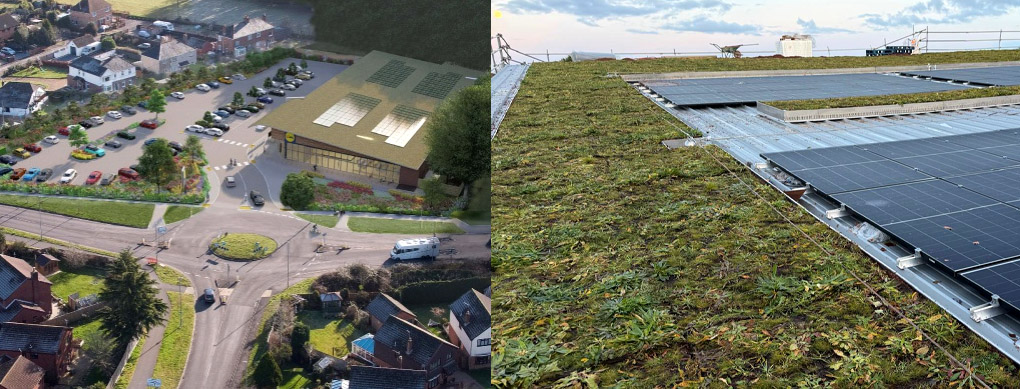
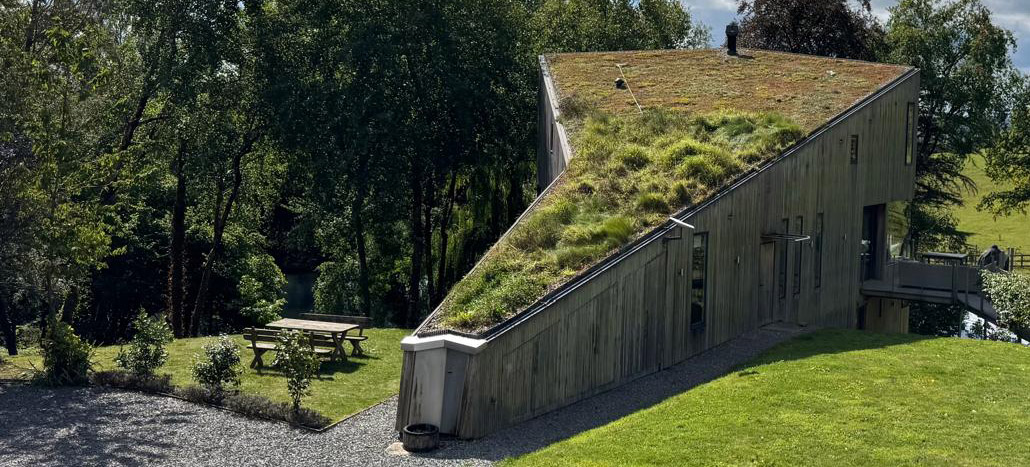
Living roofs is a term often defined by local authorities to encompass a variety of rooftop green spaces, including green roofs, roof terraces, and roof gardens. These innovative structures can be designed for accessibility, allowing use by workers or residents, and may feature varying degrees of vegetation.
Living roofs primarily fall into two categories:
- Green Roofs: These range from intensively vegetated roofs, which host a wide variety of plant life, to extensively vegetated roofs, which feature more minimal, low-maintenance greenery.
- Recreational Roofs: These spaces provide significant benefits to a building’s occupants or population in general, offering areas for relaxation and leisure activities.
Living roofs and walls can enhance biodiversity, reduce the risk of flooding by absorbing rainfall, improve a building’s thermal performance—thus reducing associated energy costs—help counter the Urban Heat Island Effect, support higher density sustainable development, and enhance the visual appeal of urban areas across.
Despite these significant benefits, the adoption of living roofs and walls in the UK has been slower compared to other European and American cities. Several factors have been cited as potential barriers to wider implementation, including a lack of positive policy support, concerns over development costs, and the absence of comprehensive technical standards.
The Benefits of Green Roofs and Urban Greening in Relation to Urban Planning and Sustainability
- Environmental Impact:
- Reduce urban heat island effect
- Improve air quality
- Manage stormwater runoff
- Enhance urban biodiversity
- Economic Benefits:
- Lower energy costs due to improved insulation
- Increase property values
- Reduce infrastructure strain and maintenance costs
- Social and Health Benefits:
- Improve mental and physical health of residents
- Provide recreational and educational spaces
- Foster community engagement and pride
Urban Greening Policy Benefits explained in Detail:
The Urban Heat Island Effect
The urban heat island effect is a phenomenon where urban areas become significantly warmer than their rural surroundings. This happens because of human activity and manmade changes made to the natural environment in cities, such as:
- Concrete and Asphalt: These materials absorb and retain heat much more than natural landscapes, causing local temperature rise.
- Reduced Vegetation: Trees and plants naturally cool the environment by providing shade and releasing moisture but urban areas have fewer green spaces.
- Waste Heat: Heat generated from vehicles, factories, and buildings contributes to the higher local temperature.
- Building Density: Tall buildings and narrow streets trap heat, creating a “canyon effect” that reduces wind flow and natural cooling.
The urban heat island effect can lead to higher energy consumption, increased air pollution, and health problems, particularly during heatwaves. One way to mitigate this effect is by increasing green spaces and using materials that reflect rather than absorb heat.
Air Quality
Urban greening can significantly improve air quality in the following ways:
- Air Filtering: Trees and plants act as natural filters. Their leaves and stems trap dust, pollen, and other airborne particles, removing them from the air we breathe.
- Oxygen Production: Through the process of photosynthesis, plants convert carbon dioxide into oxygen, improving the overall air in urban areas.
- Carbon Sequestration: Trees absorb carbon dioxide from the atmosphere and store it as carbon in their biomass (trunks, branches, leaves, and roots). This helps to reduce the greenhouse gases in the air.
- Reduction of Urban Heat pollutants: Urban greening helps to cool the environment through shading and the process of evapotranspiration (where plants release water vapor). Cooler temperatures can decrease the formation of ground-level ozone, a harmful air pollutant.
- Pollution Absorption: Plants can absorb certain pollutants such as nitrogen dioxide, sulfur dioxide, and other volatile organic compounds (VOCs) through their leaves.
- Barrier to Noise and Dust: Green spaces can act as physical barriers, reducing the spread of dust and the direct impact of noise pollution.
Urban greening creates healthier and more pleasant environments by enhancing air quality, reducing pollutants, and cooling the air.
Stormwater Runoff
Urban greening plays a vital role in managing stormwater runoff and reducing the risk of flooding:
- Absorption and Infiltration: Trees, plants, and green spaces absorb rainwater through their roots, allowing it to infiltrate the soil. This reduces the volume of stormwater runoff that needs to be managed by urban drainage systems.
- Reduction of Impervious Surfaces: By replacing concrete and asphalt with permeable surfaces like lawns, gardens, and green roofs, rainwater can naturally seep into the ground rather than running off into storm drains.
- Rain Gardens and Bioswales: These are specially designed green spaces that capture and filter stormwater. Rain gardens are shallow, planted areas that collect runoff from roofs and streets, while bioswales are vegetated channels that slow and filter water. Both help reduce the load on stormwater systems and prevent flooding.
- Water Retention and Detention: Green roofs, parks, and wetlands can act as natural reservoirs, temporarily holding stormwater and releasing it slowly over time. This helps prevent sudden surges of water that can overwhelm drainage systems and cause floods.
- Erosion Control: Plants and trees stabilise soil with their root systems, reducing erosion and the amount of sediment that can clog waterways and drainage systems.
- Cooling Effect: By lowering temperatures through shading and “evapotranspiration”, urban greenery can reduce the severity of storm events, with cooler surfaces reducing the formation of heavy, localized thunderstorms.
Green infrarstructure, in particular green and blue roofs, act like a sponge, soaking up rainwater, reducing runoff, and providing natural filtration, which helps keep urban areas drier and more resilient during heavy rainfalls and storms.
A technical report produced for Greater London Authority as long ago as 2008 also identified and highlighted the following additional benefits of green roofs in an urban environment for policy makers and planners to consider:
ii) amenity space – roof gardens, playing surfaces etc
iii) aesthetic – softening, greening and enhancing the cityscape
iv) well-being – restoring the link between humans and nature
v) cost – extending the life of the roof membrane and reducing energy costs of the building
vi) enhanced rental values – for buildings of superior image and amenity
viii) noise attenuation – on airport flight paths, etc
ix) electro-magnetic insulation – on buildings under or near high voltage electricity transmission lines
x) food production – via roof allotments etc
xi) Support for more compact urban form and related resource efficiency.