Cooling the Heat Island – A New Solution?
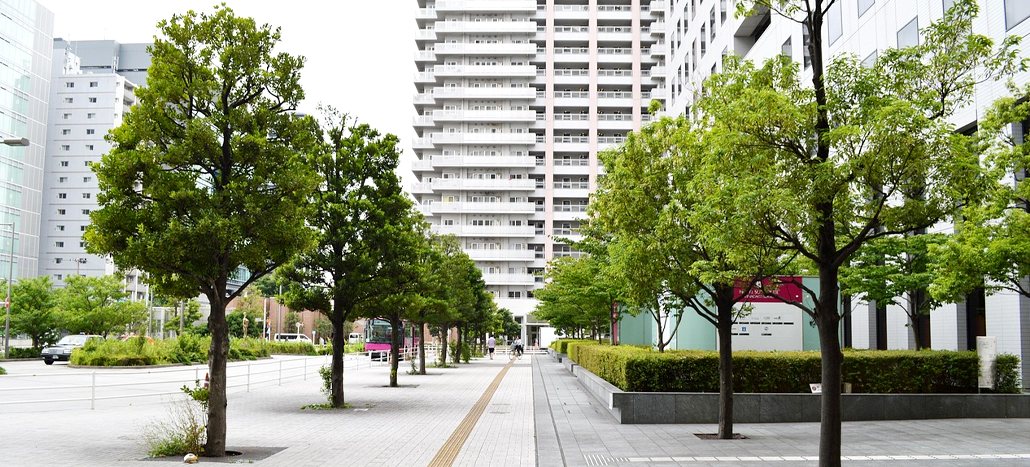
It is a well known fact that urban greening reduces the heat island effect in cities… Or does it? Worryingly in a 2019 study by Gabriele Manoli, Simon Fatichi et al. titled Magnitude of urban heat islands largely explained by climate and population concluded that the truth was not so simple, especially where hotter more tropical located cities were located:
“...mitigation strategies aimed at increasing green cover and albedo are more efficient in dry regions, whereas the challenge of cooling tropical cities will require innovative solutions. ”
But a new study by Chinese researchers may have found a solution that is not dependent on location.
The research team led by Shi-Jie Cao, director of the Center for Sustainable Built Environment at Southeast University in Nanjing, China, discovered that urban greening in the suburbs of a city often seem to have a more profound cooling effect than urban greening solutions in a city centre.
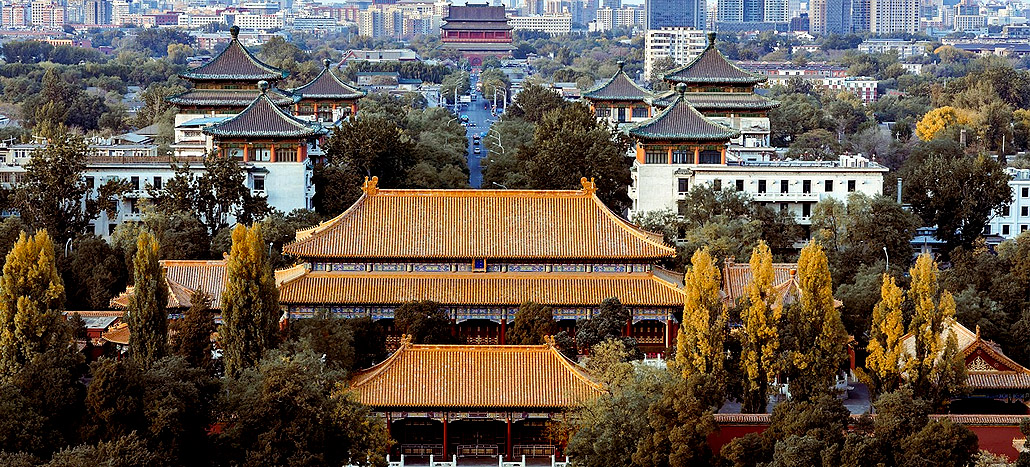
The team were inspired by studying the layout and planning of traditional Chinese villages where “settlements are backed by mountains, facing water bodies, and are embedded within surrounding forests”. These villages, they noted, have “demonstrated lasting thermal resilience through a synergistic mountain–water–forest framework that functions as a holistic climatic regulator.”
They then applied the model to six more “mega cities”, including London, Sydney and Cairo, “One of the most striking results was how robust the basic cooling mechanism was across cities with very different climates, topographies, and urban forms,” Cao says. The results spoke for themselves with upwind greening reducing temperatures on a hot summer day by an average of 0.4 °C across at least half the city area.
“This is not simply a call to plant more trees everywhere,” Cao says. “The strategy works best where cities have relatively persistent wind pathways and sufficient space for greening on the upwind side.” And Cao and his team acknowledge that this is not an easy fix with many suburbs already filled with buildings, roads and other infrastructure. But it clearly demonstrates how different factors, such as topography, vegetation and location should be considered in combination as part of any climate regulation solution for heat mitigation.
Or please contact us if you have a project or installation you would like to talk to us about. We are always happy to discuss your plans with you without obligation.

“For urban cooling, where we place vegetation can be just as important as how much vegetation we have”
Shi-Jie Cao, director of the Center for Sustainable Built Environment at Southeast University in Nanjing, China.