Green Roofs for Sustainable Development

What is Sustainable Development?
Sustainable development is a holistic concept that integrates environmental, social, and economic considerations.
Traditionally, development often prioritised short-term economic gains at the expense of natural resources and long-term societal well-being. Sustainable development strives for a balance. This might incorporate:
- Environmental Stewardship: Minimising our impact on the natural world through resource conservation, pollution reduction, and biodiversity protection.
- Social Equity: Ensuring that development benefits all members of society, regardless of socioeconomic status, ethnicity, or location, and addressing issues of social justice.
- Economic Viability: Creating economic opportunities that are long-term, resilient, and contribute to a thriving community – not reliant on unsustainable practices.
For architects and developers, this translates to designing buildings and urban spaces that are energy-efficient, utilise sustainable materials, minimize waste, and create healthy and resilient environments. For planning decision-makers, it means shaping policies and regulations that incentivise sustainable practices and promote long-term community prosperity.
Living Roofs, Green Roofs and Roof Gardens
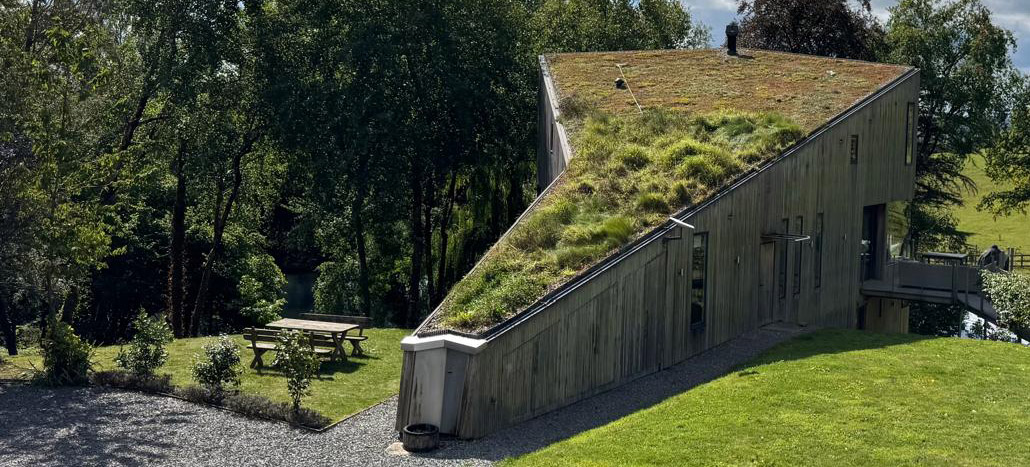
As we pursue resilient and sustainable urban development, innovative building systems are paramount. A perfect example is Living roofs – engineered vegetative systems installed on rooftops representing a sophisticated infrastructure solution offering significant performance and economic benefits alongside demonstrable environmental advantages. We will now look at the key considerations for architects, developers, and planning decision-makers evaluating the potential of living roofs (also referred to as green roofs) within their projects.
Living roofs are not simply decorative features; they are carefully designed systems comprising:
- Waterproof Membrane: Providing a robust barrier to prevent water damage.
- Root Barrier: Preventing root intrusion into the waterproofing layer.
- Drainage Layer: Facilitating efficient water drainage.
- Filter Layer: Preventing soil from clogging the drainage system.
- Growing Medium: Providing a substrate for plant growth – typically lightweight aggregates for extensive roofs and deeper soil layers for intensive systems.
- Vegetation: Selected for climate suitability, maintenance requirements, and desired benefits (e.g., drought tolerance, biodiversity).
There are two primary living or green roof classifications:
- Extensive Green Roofs: Covering 1-4 inches of substrate, utilizing shallow-rooted, low-maintenance plants like sedums and grasses. Typically lighter in weight and easier to implement.
- Intensive Green Roofs: Mimicking traditional gardens with deeper soil layers (6 inches or more), supporting a wider range of plant species, shrubs, and even small trees. These require more robust structural support and ongoing maintenance.
Strategic Benefits for Urban Environments:
- Enhanced Building Performance:
- Thermal Performance: Living roofs significantly reduce heat transfer, minimizing cooling loads (estimated 10-15% reduction in HVAC energy consumption) and improving winter heat retention. Life Cycle Cost Analyses (LCCAs) demonstrate long-term savings.
- Structural Longevity: The protective layer shields the roofing membrane from UV degradation and thermal stress, extending its lifespan by 2-3 times, reducing long-term maintenance costs.
- Noise Reduction: Vegetative layers attenuate sound transmission, creating a quieter indoor (and possibly outdoor) environment.
- Sustainable Development & Planning Considerations:
- Stormwater Management: Living roofs capture and retain a significant portion of rainfall (estimated 50-90% depending on system type), reducing runoff volume and pressure on municipal drainage infrastructure. This aligns with sustainable drainage system (SDS) requirements.
- Urban Heat Island Mitigation: Reduces surface temperatures, mitigating urban heat island effects and improving local microclimates
- Biodiversity & Habitat Creation: Provides valuable habitat for pollinators and other wildlife, contributing to urban ecology.
- Carbon Sequestration: Living roofs sequester carbon dioxide, contributing to carbon reduction efforts.
- Developer & Architectural Value Propositions:
- Increased Property Value: Green roofs are increasingly viewed as a premium amenity, enhancing property value and attracting environmentally conscious tenants or buyers.
- Innovation & Differentiation: Implementing living roofs demonstrates a commitment to sustainability and innovation, providing a competitive advantage.
- Meeting LEED, BREEAM & Sustainable Building Standards: Living roofs contribute significantly towards BREEAM and LEED certification and other recognised sustainable building standards.
Conclusion:
Living roofs together with associated green infrastructure solutions represent a strategically valuable addition to sustainable development portfolios. For architects, developers, and planning decision-makers, integrating living roofs is an investment in resilient infrastructure, enhanced building performance, and a more sustainable urban environment.

A note about sustainable housing.
Sustainable housing is the design and building of houses and homes to minimise their environmental impact and enhance the well-being of the occupants. This is achieved through energy efficiency, resource conservation (water, materials), waste reduction, and eco-friendly, often renewable, materials, to create healthier, economic and long-lasting homes. It considers the building’s entire lifecycle, from construction to demolition, to reduce the carbon footprint and promote a better quality of life for both occupants and neighbouring residents.


 https://tugc.co.uk/wp-content/uploads/2025/12/Lidil-biosolar-roof.jpg
389
1020
TUGC Team
https://tugc.co.uk/wp-content/uploads/2022/02/the-urban-greening-company-300x137.png
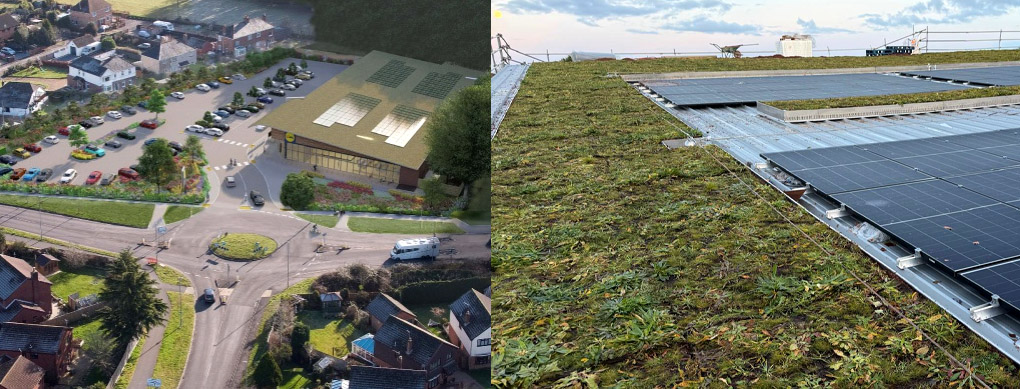
TUGC Team2025-12-11 13:28:102025-12-11 13:28:10New Bio Solar Green Roof for LIDL
https://tugc.co.uk/wp-content/uploads/2025/12/Lidil-biosolar-roof.jpg
389
1020
TUGC Team
https://tugc.co.uk/wp-content/uploads/2022/02/the-urban-greening-company-300x137.png
TUGC Team2025-12-11 13:28:102025-12-11 13:28:10New Bio Solar Green Roof for LIDL https://tugc.co.uk/wp-content/uploads/2025/08/Biodiverse-roof-installation-at-Numatic-factory-Header.jpg
430
1030
TUGC Team
https://tugc.co.uk/wp-content/uploads/2022/02/the-urban-greening-company-300x137.png
TUGC Team2025-08-15 14:02:072025-08-15 14:02:07Biodiverse Roof for New Henry & Hetty Factory
https://tugc.co.uk/wp-content/uploads/2025/08/Biodiverse-roof-installation-at-Numatic-factory-Header.jpg
430
1030
TUGC Team
https://tugc.co.uk/wp-content/uploads/2022/02/the-urban-greening-company-300x137.png
TUGC Team2025-08-15 14:02:072025-08-15 14:02:07Biodiverse Roof for New Henry & Hetty Factory https://tugc.co.uk/wp-content/uploads/2025/07/Charlie-Bighams-biodivers-kitchen-roof-under-construction.jpg
430
1030
TUGC Team
https://tugc.co.uk/wp-content/uploads/2022/02/the-urban-greening-company-300x137.png
TUGC Team2025-07-17 14:02:102025-07-17 14:04:01Kitchens, Pétanque & Biodiverse Roofs
https://tugc.co.uk/wp-content/uploads/2025/07/Charlie-Bighams-biodivers-kitchen-roof-under-construction.jpg
430
1030
TUGC Team
https://tugc.co.uk/wp-content/uploads/2022/02/the-urban-greening-company-300x137.png
TUGC Team2025-07-17 14:02:102025-07-17 14:04:01Kitchens, Pétanque & Biodiverse Roofs https://tugc.co.uk/wp-content/uploads/2025/05/New-Indigo-Hotel-Torquay.webp
467
1030
TUGC Team
https://tugc.co.uk/wp-content/uploads/2022/02/the-urban-greening-company-300x137.png
TUGC Team2025-05-19 11:03:272025-05-19 11:03:27Green Roof for £23M Torquay New Hotel
https://tugc.co.uk/wp-content/uploads/2025/05/New-Indigo-Hotel-Torquay.webp
467
1030
TUGC Team
https://tugc.co.uk/wp-content/uploads/2022/02/the-urban-greening-company-300x137.png
TUGC Team2025-05-19 11:03:272025-05-19 11:03:27Green Roof for £23M Torquay New Hotel https://tugc.co.uk/wp-content/uploads/2025/05/BOWA-Medical-green-roof-.webp
430
1030
TUGC Team
https://tugc.co.uk/wp-content/uploads/2022/02/the-urban-greening-company-300x137.png
TUGC Team2025-05-01 12:17:222025-05-01 12:30:22Devon Medical HQ Gets 600m2 Green Roof
https://tugc.co.uk/wp-content/uploads/2025/05/BOWA-Medical-green-roof-.webp
430
1030
TUGC Team
https://tugc.co.uk/wp-content/uploads/2022/02/the-urban-greening-company-300x137.png
TUGC Team2025-05-01 12:17:222025-05-01 12:30:22Devon Medical HQ Gets 600m2 Green Roof https://tugc.co.uk/wp-content/uploads/2025/03/Green-roof-repair-Cornwall-newly-relaid1.jpg
1152
2048
TUGC Team
https://tugc.co.uk/wp-content/uploads/2022/02/the-urban-greening-company-300x137.png
TUGC Team2025-03-18 11:40:552025-04-16 09:31:38Living Roof and Urban Greening Install update Q1 2025
https://tugc.co.uk/wp-content/uploads/2025/03/Green-roof-repair-Cornwall-newly-relaid1.jpg
1152
2048
TUGC Team
https://tugc.co.uk/wp-content/uploads/2022/02/the-urban-greening-company-300x137.png
TUGC Team2025-03-18 11:40:552025-04-16 09:31:38Living Roof and Urban Greening Install update Q1 2025 https://tugc.co.uk/wp-content/uploads/2025/02/chelsea-luxury-sedum-roof-development.jpg
467
1030
TUGC Team
https://tugc.co.uk/wp-content/uploads/2022/02/the-urban-greening-company-300x137.png
TUGC Team2025-02-11 11:33:092025-04-16 09:31:26Sedum Roof for Luxury Chelsea Home
https://tugc.co.uk/wp-content/uploads/2025/02/chelsea-luxury-sedum-roof-development.jpg
467
1030
TUGC Team
https://tugc.co.uk/wp-content/uploads/2022/02/the-urban-greening-company-300x137.png
TUGC Team2025-02-11 11:33:092025-04-16 09:31:26Sedum Roof for Luxury Chelsea Home https://tugc.co.uk/wp-content/uploads/2023/05/St-Marys-school-green-roof.jpg
467
1030
TUGC Team
https://tugc.co.uk/wp-content/uploads/2022/02/the-urban-greening-company-300x137.png
TUGC Team2024-11-18 11:26:362025-04-16 09:31:58St Mary’s School Green Roof Maintenance Swanage
https://tugc.co.uk/wp-content/uploads/2023/05/St-Marys-school-green-roof.jpg
467
1030
TUGC Team
https://tugc.co.uk/wp-content/uploads/2022/02/the-urban-greening-company-300x137.png
TUGC Team2024-11-18 11:26:362025-04-16 09:31:58St Mary’s School Green Roof Maintenance Swanage https://tugc.co.uk/wp-content/uploads/2024/10/Victoria-London-Living-wall-installation.jpg
430
980
TUGC Team
https://tugc.co.uk/wp-content/uploads/2022/02/the-urban-greening-company-300x137.png
TUGC Team2024-10-14 11:29:362025-04-16 09:32:27Living Wall Maintenance London
https://tugc.co.uk/wp-content/uploads/2024/10/Victoria-London-Living-wall-installation.jpg
430
980
TUGC Team
https://tugc.co.uk/wp-content/uploads/2022/02/the-urban-greening-company-300x137.png
TUGC Team2024-10-14 11:29:362025-04-16 09:32:27Living Wall Maintenance London